Source Self-Priming Agricultural Irrigation Water Pump for Farms, Gardens, and Fields
Find 30 verified self-priming agricultural irrigation water pump options with varying capacities and head heights. Buyers can compare motor types, materials like cast iron, and specifications such as outlet sizes ranging from 3 to 6 inches to select the right unit for their needs.
Key considerations
Products List


Horizontal Self-Priming Centrifugal Pump Agricultural Irrigation Water Pump
$500.00 - $3000.00
MOQ: 1 Pieces


China Diesel Engine Irrigation Self-Priming Water Pump with Reasonable Price
$4600.00 - $4800.00
MOQ: 1 Pieces


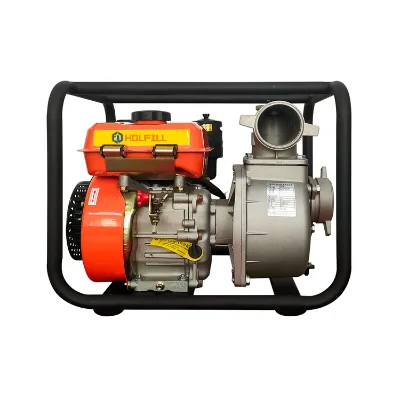
2inch 160 Engine Self-Priming Gasoline Water Pump Use for Agricultural Irrigation
$25.00 - $50.00
MOQ: 50 Pieces


Comprehensive Sourcing Guide
Strategic Sourcing Guide for Self-Priming Agricultural Irrigation Water Pumps
Navigating the global market for self-priming agricultural irrigation water pumps requires a disciplined approach that balances technical performance with supply chain reliability. Buyers must distinguish between general centrifugal designs and specialized self-priming units capable of handling air-water mixtures without external priming aids. The available product data indicates a diverse landscape of mechanical pumps, ranging from single-stage booster configurations to heavy-duty slurry and sewage handling units. This guide outlines the critical factors for procurement, focusing on verified specifications, compliance frameworks, and cost structures derived from current market observations.
Technical Specifications and Operational Capabilities
Understanding the mechanical architecture of the pump is the first step in defining procurement requirements. The observed product attributes reveal a variety of driving types, with electric motors being the dominant power source, though some configurations support diesel engines or hydraulic power sources. For agricultural irrigation, the electric motor variant is often preferred for its operational consistency and lower maintenance overhead. The theoretical basis for many of these units is the centrifugal pump, utilizing a single-suction impeller design to move fluid.
Capacity and head pressure are the primary performance metrics. Market observations show a wide variance in maximum head, ranging from 50 to 80 meters for certain models up to 80-110 meters for high-performance units. This variation dictates the suitability of the pump for different irrigation scenarios, such as low-lying field distribution versus high-elevation sprinkler systems. Similarly, flow capacity is not uniform; observed ranges span from 200-300 liters per minute to units exceeding 400 liters per minute. Buyers must align these figures with the specific water demand of their agricultural plots.
The media handled by these pumps also varies significantly. While some units are designed specifically for clarified water, others are engineered for slurry or sewage applications, which may be relevant for farms managing mixed waste or muddy water sources. The working pressure is generally categorized as low pressure, typically around 0.6MPa, which is standard for many irrigation networks. Transmission methods observed include coupling and V-belt drives, offering flexibility in motor-to-pump alignment. The inlet and outlet sizes are equally critical, with observed specifications ranging from 100mm to 300mm, and specific models featuring 150mm or 200mm ports. Selecting the correct port size ensures compatibility with existing irrigation piping to minimize friction losses.
Compliance, Certification, and Material Standards
In the B2B procurement of industrial machinery, verifying compliance with international standards is non-negotiable. The product data indicates that certain units adhere to ANSI standards, which is a crucial benchmark for dimensional and performance consistency in the global market. Additionally, some listings reference specific packing standards or dimensions, such as 500x420x530mm or 75x30x60mm, which buyers should verify against their logistics requirements.
Certification plays a vital role in ensuring product safety and quality. The available data mentions "Coc" (Certificate of Compliance) as a potential certification type. Buyers must explicitly request and verify this documentation for any unit intended for critical agricultural infrastructure. It is essential to understand that certification status is not universal across all listed models; therefore, due diligence is required for each specific order.
Material selection is another critical compliance and durability factor. The observed data points to cast iron as a primary material for the pump body, which offers robustness for agricultural environments. However, the specific alloy composition and corrosion resistance properties should be confirmed with the supplier, especially for pumps handling slurry or chemically treated irrigation water. The standard or non-standard nature of the product is also a key verification point, with "Standard" being a noted attribute. Buyers should ensure that the purchased unit meets the specific ISO or ANSI standards relevant to their region's agricultural regulations.
Cost Drivers and Pricing Dynamics
The pricing for self-priming agricultural irrigation pumps is influenced by a complex interplay of factors, including power rating, material quality, and customization options. The observed price range in the market spans from $25 to $9,000 USD, reflecting the vast difference between small-scale manual or low-power units and large industrial electric or diesel-driven systems. This wide spectrum necessitates a clear definition of the required horsepower, which ranges from 1 to 300 HP in the observed data.
Minimum Order Quantity (MOQ) is another significant cost driver. The market data indicates an MOQ range of 1 to 200 units. Buyers purchasing small quantities may face higher per-unit costs or limited customization options, whereas bulk procurement can unlock volume discounts and tailored specifications. Customization is listed as an available attribute, suggesting that buyers can negotiate specific features such as voltage requirements (220V/380V/415V) or specific inlet/outlet configurations.
Packing methods also impact the final landed cost. Options observed include carton packing, polywood cases, and wooden boxes. The choice of packaging affects shipping safety and potential customs duties, particularly for heavy cast-iron units. Buyers should factor in the cost of specialized packaging if the pump is destined for export to regions with strict phytosanitary or wood treatment regulations.
Typical Applications and Industry Fit
The versatility of these pumps allows them to serve multiple sectors within the agricultural and mechanical industries. While the core keyword focuses on irrigation, the observed applications extend to clarified water pumping, slurry handling, and sewage management. This multifunctionality is beneficial for farms that require a single pump solution for various tasks, such as moving clean water for crops and managing runoff or waste.
The assembly type, identified as booster pumps in some contexts and liquid pumps in others, suggests that these units can be integrated into existing pressurized irrigation systems to increase flow or pressure. The single-stage pump structure is particularly common for applications requiring moderate head and high flow rates, typical of large-scale field irrigation.
For operations dealing with challenging water sources, the "slurry pump" and "sewage pump" designations indicate suitability for muddy or debris-laden water. This is particularly relevant for agricultural settings where water may be drawn from ponds or reservoirs containing sediment. The ability to handle such media without clogging is a key performance indicator for long-term operational efficiency.
Supplier Evaluation and Sourcing Strategy
Evaluating suppliers requires a focus on their ability to provide consistent technical data and reliable after-sales support. The product origin is consistently listed as China, with specific mentions of Shanghai as a place of origin. Buyers should verify the specific manufacturing location to assess the supplier's logistical capabilities and potential lead times.
When assessing a supplier, buyers should request detailed technical datasheets that confirm the observed attributes, such as the specific model number (e.g., DP-40, Super T, NS-150) and the exact voltage and horsepower ratings. The availability of customization is a strong indicator of a supplier's flexibility, but it must be accompanied by clear timelines and cost implications.
It is crucial to avoid relying on general market claims and instead demand evidence for specific performance metrics. For instance, while "wear pump" is listed as a performance attribute, buyers should request test results or warranty terms that substantiate the pump's durability in abrasive conditions. Supplier reputation should be gauged through third-party reviews and references from previous B2B clients, rather than unverified marketing materials.
Quality Control and Long-Term Procurement Considerations
Quality control is paramount in the procurement of mechanical pumps, where failure can lead to significant crop loss. Buyers should implement a rigorous inspection protocol that includes verifying the material composition, checking the casting quality of the pump body, and testing the sealing mechanisms. The presence of specific standards like ANSI and certifications like Coc should be validated through physical documentation provided by the supplier.
Long-term procurement considerations extend beyond the initial purchase price. Buyers must evaluate the availability of spare parts, such as impellers, seals, and bearings, to ensure minimal downtime. The transmission type, whether coupling or V-belt, should be compatible with standard replacement parts available in the buyer's region. Additionally, the power source compatibility (electric vs. diesel) should align with the farm's energy infrastructure to avoid costly retrofits.
Maintenance requirements should also be factored into the decision-making process. Units with electric motors generally require less maintenance than diesel engines, but the specific design of the self-priming mechanism will influence the frequency of cleaning and inspection. Buyers should negotiate service agreements that include training for local maintenance teams and access to technical support from the manufacturer.
Comparative Analysis of Pump Configurations
To assist in decision-making, the following table summarizes key observed specifications across different pump configurations found in the market data. This comparison highlights the variance in capabilities and helps buyers identify the most suitable unit for their specific agricultural needs.
| Feature | Configuration A (Standard) | Configuration B (High Performance) | Configuration C (Heavy Duty) |
|---|---|---|---|
| Driving Type | Motor (Electric) | Motor (Electric/Diesel) | Motor (Electric/Diesel) |
| Max Head | 50-80m | 80-110m | Variable |
| Max Capacity | 200-300 L/min | >400 L/min | Variable |
| Media Type | Clarified Water | Slurry, Sewage | Sewage, Slurry |
| Structure | Single-stage Pump | Single-stage Pump | Single-stage Pump |
| Outlet Size | 100-150mm | 50-300mm | 200mm |
| Material | Cast Iron | Cast Iron | Cast Iron |
| Voltage | 220V/380V/415V | 220V/380V/415V | 220V/380V/415V |
| Packing | Carton, Wooden Box | Polywood Case | Polywood Case |
| Standard | Standard | ANSI | Standard |
This table illustrates that while the core mechanical principles remain consistent, the specific application dictates the necessary configuration. Configuration A is suitable for standard irrigation with clean water, while Configuration B and C are better suited for high-demand or challenging media environments.
Final Procurement Recommendations
In conclusion, sourcing self-priming agricultural irrigation water pumps requires a meticulous approach that prioritizes verified technical data over marketing claims. Buyers must carefully evaluate the specific head, capacity, and media requirements of their operation against the observed market specifications. By focusing on compliance with ANSI standards, verifying certifications like Coc, and selecting the appropriate material and power source, buyers can secure reliable equipment that supports long-term agricultural productivity. The wide range of available options, from small manual units to large industrial systems, offers flexibility, but it also demands a disciplined selection process to ensure the chosen pump delivers optimal performance in the field.
FAQs
What driving types are available for these pumps?
Electric motors are the dominant driving type, though some configurations support diesel engines or hydraulic power sources. Buyers should verify the specific power source required for their site's energy infrastructure before ordering.
Which certification standards do these pumps meet?
Some units adhere to ANSI standards and may carry a Certificate of Compliance. Buyers must explicitly request and verify this documentation for any unit intended for critical agricultural infrastructure as it is not universal.
How does the maximum head pressure vary across models?
Maximum head ranges from 50 to 80 meters for standard models up to 80-110 meters for high-performance units. This variation dictates suitability for different irrigation scenarios like low-lying fields versus high-elevation sprinkler systems.
Can I customize the voltage requirements for these pumps?
Customization is available, allowing buyers to negotiate specific voltage requirements such as 220V, 380V, or 415V. This flexibility ensures compatibility with the farm's existing electrical infrastructure without costly retrofits.
What is the typical minimum order quantity for these pumps?
The market indicates an MOQ range of 1 to 200 units depending on the supplier and model. Bulk procurement can unlock volume discounts and tailored specifications, while small orders may face higher per-unit costs.
Which materials are used for the pump body construction?
Cast iron is the primary material observed for the pump body, offering robustness for agricultural environments. Buyers should confirm the specific alloy composition and corrosion resistance properties for pumps handling slurry or treated water.